SatoshiTango is an Argentine crypto platform that has spent years serving users who need a practical bridge between digital assets and local money. That regional focus is its defining feature. It is not trying to outgun Binance on global derivatives volume or compete with Coinbase on institutional custody. It is built for people in Argentina and parts of Latin America who want access to bitcoin, stablecoins, local payment methods, and day-to-day financial tools.
That positioning makes sense in a country where inflation, currency controls, and access to dollars have shaped consumer behavior for decades. Crypto is not only a speculative hobby in Argentina. For many users, USDT, USDC, bitcoin, and other assets are a way to save, transfer value, or receive money from abroad. SatoshiTango's relevance comes from understanding that context better than a generic overseas exchange can.
The service has operated since 2014, which gives it a longer track record than many regional rivals. It offers crypto buying and selling, wallet services, local fiat rails, and products that have at times included payment cards and bill-payment functionality. Product availability can differ by country and change with local regulation, so users should verify the current offering in their jurisdiction rather than rely on an old social-media announcement.
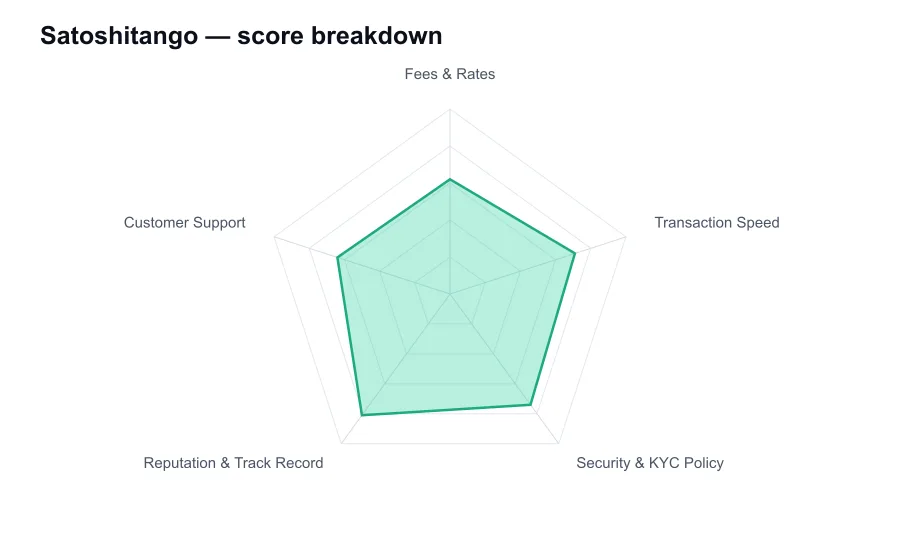
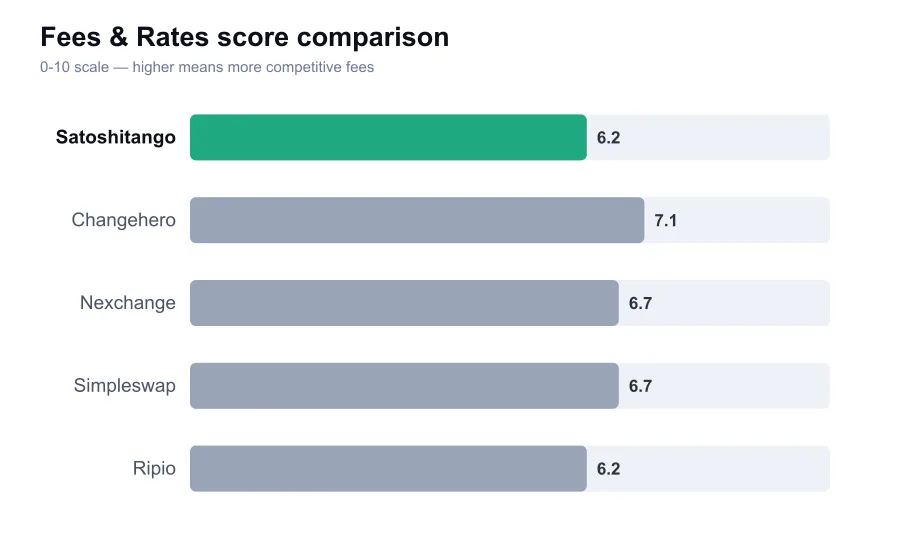
Fees are not SatoshiTango's main attraction. The platform is convenient, but convenience can be expensive if you trade without studying the quote. The most meaningful cost is often the spread between the displayed buy and sell price, particularly on simple conversion flows. Deposit, withdrawal, card, and network costs can also vary based on the asset and payment method. A platform can advertise low trading fees while still producing a less favorable all-in rate than an order-book exchange.
For small local purchases, that may be a reasonable trade. If someone needs to convert pesos to a stablecoin quickly and values familiar payment rails, a clear quote can be more useful than saving a fraction of a percent through a complicated routing sequence. For larger trades, though, I would compare the final amount received against Buenbit, Ripio, Lemon, Bitso, Binance, and a local peer-to-peer market. The difference can become substantial once the trade size grows.
The interface favors accessibility over advanced trading sophistication. That is a sensible decision for its intended audience. Newer users can buy an asset without learning order types, charting packages, or custody jargon on day one. Yet the simplicity has a downside. Active traders and users who want deep liquidity, API tools, detailed order execution data, or a broad derivatives menu will find the platform restrained.
Transfer speed depends on which part of the service is being discussed. Internal account movements and crypto trades can appear nearly immediate. Blockchain withdrawals depend on the relevant network, address review, and the platform's withdrawal processing. A stablecoin sent over a fast network may arrive quickly after release, while bitcoin can take longer because confirmation times and network fees are outside SatoshiTango's control. Fiat transfer timing also depends heavily on local banking rails.
That last point deserves emphasis. In Argentina, a fast crypto conversion does not always mean a fast pesos withdrawal at every hour of every day. Bank maintenance windows, compliance reviews, transfer limits, and public holidays can affect the result. Users making urgent payments should not leave a conversion until the final minute. Test the cash-out process with a modest amount first, especially if you are using a newly verified account.
SatoshiTango is a custodial service, so security begins with account protection and ends with trust in the operator. The company uses identity verification as part of its compliance process. That will disappoint privacy-maximalist users, but for a fiat-connected business handling local payments, full KYC is normal and arguably unavoidable. Expect to provide personal information and potentially supporting documents, especially as transaction size or activity triggers compliance checks.
KYC can be frustrating, particularly if an automated review asks for a source-of-funds explanation at an inconvenient time. It is still preferable to pretend this kind of platform can operate without financial controls. The more important question is whether users understand the consequences. A pending review can delay access to funds, and a custodial account can be restricted while a case is examined. Do not treat an exchange balance as equivalent to cash in a self-custodied wallet.
The platform should be used with a unique password, app-based two-factor authentication where offered, and careful monitoring of login notices. I would avoid holding a large long-term bitcoin position on any regional exchange, including this one. SatoshiTango may take operational security seriously, but customers do not receive the private keys. For savings meant to sit untouched, a hardware wallet remains the more resilient choice after purchase.
Its reputation is meaningful, though not spotless in the way no long-running retail financial service is spotless. A decade of operation in a difficult economic environment counts for a lot. SatoshiTango has survived bear markets, changing regulations, and waves of newer competitors. At the same time, public reviews of regional exchanges often include familiar complaints about verification delays, support response times, and transfer friction. Those reports should be read as a pattern to investigate, not ignored or treated as proof of systemic failure.
Customer support is adequate for a regional fintech, but it isn't a standout reason to choose the platform. Help channels and knowledge-base material can resolve ordinary account issues, yet complex verification and withdrawal questions may take patience. That is particularly true during heavy market moves, when every exchange sees a surge in tickets. A user who needs immediate human assistance for a time-sensitive six-figure transaction should arrange expectations before depositing, not after.
SatoshiTango is strongest as a local access point. It works for someone earning pesos who wants stablecoin exposure, a practical bitcoin purchase, or a way to connect crypto with everyday financial life. It is weaker as a professional trading venue and not ideal as a permanent vault. The company has earned the credibility of longevity, but its price transparency and support experience are less persuasive than its basic regional utility.
My take is that SatoshiTango deserves respect for being durable and useful in its home market. It serves a problem that global exchanges often treat as an afterthought: getting money into and out of crypto through channels ordinary people can actually use. Just don't confuse usefulness with the lowest-cost execution. Compare quotes, complete KYC before you need the account, and withdraw long-term holdings to self-custody. Used that way, it can be a sensible part of an Argentine crypto setup.