Symbiosis is a decentralized cross-chain liquidity protocol, not a conventional centralized exchange. Its purpose is to let users swap assets between networks such as Ethereum, Arbitrum, BNB Chain, Polygon, Avalanche and other supported chains without manually bridging, then trading, then bridging again. That pitch is attractive because cross-chain trading is still more awkward than it should be. Symbiosis tries to hide much of that plumbing behind one transaction flow.
The service sits in the DeFi middle ground between a bridge and an aggregator. A user connects a self-custody wallet, selects an asset and destination chain, approves the transaction, and lets the protocol route the exchange through liquidity pools and cross-chain infrastructure. There is no account dashboard full of identity documents, no order book, and no bank deposits. For someone already comfortable with MetaMask, Rabby or a similar wallet, the interface is reasonably direct.
That simplicity should not be confused with simplicity underneath. A Symbiosis swap can involve a source-chain swap, a cross-chain message, destination-chain liquidity and gas costs on one or more networks. The quoted amount is the number that matters, not a headline fee. Small transactions can be poor value, especially when Ethereum mainnet is involved. A cheap-looking protocol fee does not rescue a $40 trade from an expensive approval and network transaction.
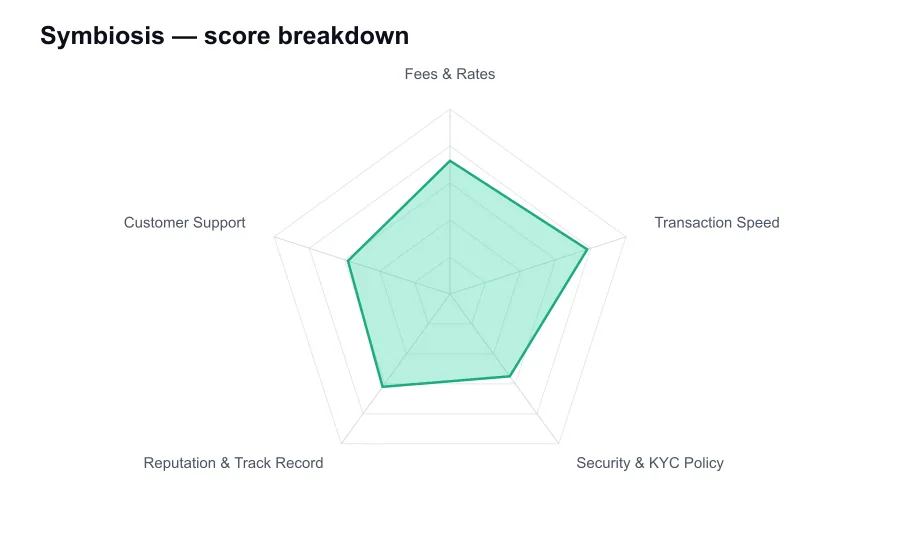
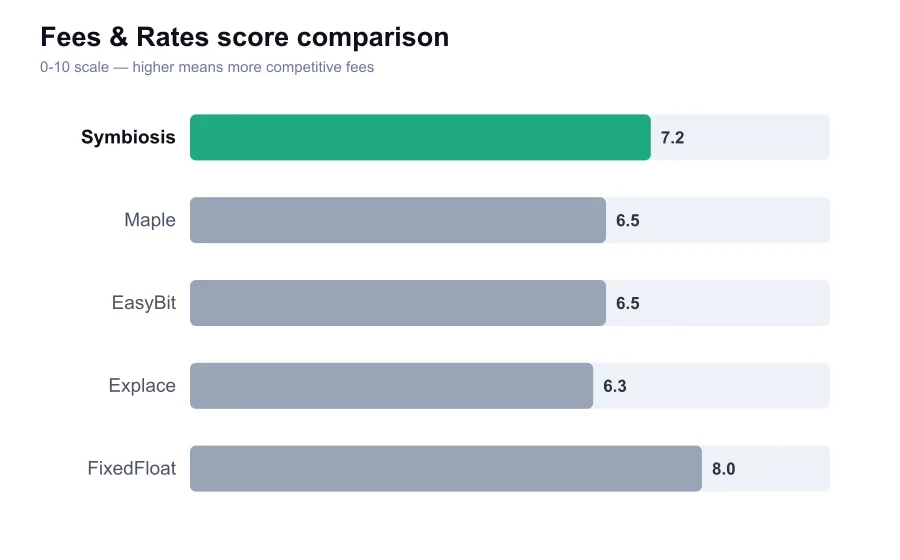
Symbiosis does not present a universal retail fee in the way a card broker does. Pricing is built into pool fees, route execution and network costs, with rates varying by asset and chain. That is normal for DeFi, but it makes comparison harder. On liquid stablecoin routes from low-cost chains, its quotes can be competitive with direct bridge and swap combinations. On thin routes, the price impact can become noticeable quickly, and a larger transaction deserves a quote check against LI.FI-powered aggregators, Across and Stargate.
The protocol's best fee story is consolidation. If it can replace three separate actions with one route, the user may save time and avoid several chances to make a costly mistake. That has real value. Still, I would not call it a bargain by default. The right habit is to compare the final received amount in the destination token, including gas, rather than comparing a percentage mentioned in documentation.
Speed is usually good on the routes Symbiosis handles well. Low-cost EVM chains can settle in minutes, sometimes faster when source and destination liquidity are readily available. Cross-chain settlement is not instantaneous, though, and the protocol cannot outrun block confirmations, relayers or congestion. A route that feels slick during quiet market conditions may slow down substantially during a volatile trading session.
The product does a decent job showing transaction progress, which matters more than many DeFi teams seem to understand. Users can see that a swap has started and follow the relevant transaction hashes. But a status page is not the same thing as a guaranteed completion time. If a transaction is pending on a bridge-related step, the user is often dependent on the protocol's operational response rather than able to simply cancel it like a limit order.
Security is where Symbiosis demands more caution than its polished interface may suggest. It is non-custodial in the sense that users connect their own wallets and do not deposit funds into a named exchange account. That removes the familiar centralized-exchange insolvency risk. It does not remove smart-contract, bridge, liquidity and routing risks. Every extra cross-chain component expands the attack surface.
Symbiosis was affected by a 2022 security incident involving a compromised deployer wallet, with roughly $5.8 million reportedly taken from its Ethereum deployment. The team responded, paused affected functions and pursued recovery measures, but the incident remains relevant history. A project can improve after a breach, and the protocol has continued operating, yet prospective users should not treat past exploitation as ancient trivia. It is evidence that key management and upgrade controls matter enormously in bridge infrastructure.
No standard KYC is required to connect a wallet and use the protocol. Privacy-minded users will appreciate that, but no-KYC does not mean no responsibility. The user has to verify the official domain, inspect wallet approval prompts, keep seed phrases offline and understand that sending funds to the wrong chain or signing a malicious approval is generally irreversible. Symbiosis is not a beginner-safe substitute for learning wallet security.
Its reputation is established enough to be taken seriously within the multichain DeFi niche, particularly among users who remember its early emphasis on stablecoin swaps between EVM networks. The project has a recognizable token, SIS, public documentation and a long-running community presence. It is not in the same trust tier as the largest battle-tested DeFi venues, and it has never earned the carefree reputation of a simple single-chain swap. Cross-chain protocols rarely do.
Support is community-led, mainly through Discord, Telegram, documentation and social channels. That is adequate for technical users who can provide a transaction hash, chain details and screenshots. It is weaker for somebody who expects live chat and a clear escalation path. Response quality can vary, and scammers frequently impersonate support staff in public crypto groups. Nobody legitimate needs a seed phrase or a remote-access session to investigate a stuck swap.
I also dislike the temptation to treat a cross-chain swap as a casual click. Test a new route with a small amount. Keep enough native gas token on both chains. Avoid moving funds during exceptional congestion unless the trade is urgent. Those habits are not unique to Symbiosis, but users who skip them tend to blame the protocol for problems that were visible before they signed.
Symbiosis is useful infrastructure for experienced DeFi users, particularly for low-cost chain-to-chain stablecoin and blue-chip asset movements. Its routing convenience is real and its no-account model is appealing. The compromise is meaningful technical risk, variable economics and support that feels like a protocol community rather than a financial service desk. I would use it selectively after comparing quotes, not blindly as my default bridge for every transfer.