MindSwap was known as an early decentralized-finance project associated with token swapping, liquidity provision, and its MIND token in the Polygon ecosystem. It arrived during the rapid expansion of automated market makers, when many projects tried to build a recognizable brand around a forked or lightly differentiated trading interface. That historical context is important because MindSwap should not be judged as if it were a mature, continuously developed exchange with a current institutional operating record.
The practical issue today is activity. I could not verify a current, clearly maintained official service with the level of documentation, interface reliability, liquidity disclosure, and customer communication expected from an active exchange provider. Old references to a DEX, staking program, or MIND token are not proof that a product remains usable or safe. In DeFi, inactive contracts and abandoned domains can remain visible long after a team has moved on.
That leaves users exposed to a familiar danger. A search result, old tutorial, or token listing can lead to an unofficial front end or a phishing clone that asks a wallet to approve spending. The fact that a contract exists on a blockchain does not make every website claiming to interact with it legitimate. For a project with an uncertain current operating status, wallet approvals are more dangerous than missing features.
MindSwap's original appeal would have been low-friction swapping on Polygon, where transaction fees were far lower than Ethereum mainnet during periods of heavy use. That was a real advantage at the time. Cheap network fees encouraged small trades, yield farming, and frequent rebalancing. Polygon's speed, however, was never a substitute for deep liquidity, responsible development, or a robust security program.
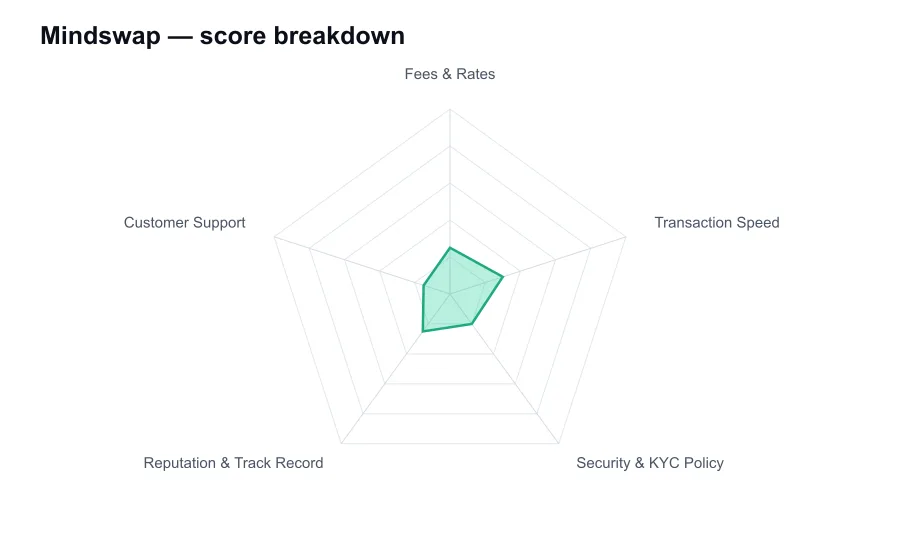
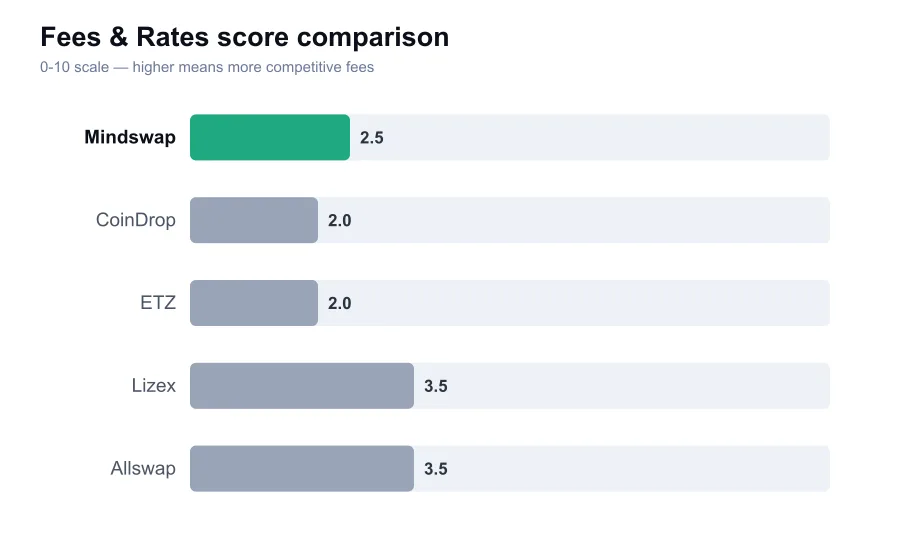
Fees at an automated market maker usually combine a protocol swap fee with price impact, liquidity-provider economics, and the network cost. The protocol fee is only one part of the bill. A thin pool can produce poor execution even if the displayed swap charge looks tiny. I could not verify a current MindSwap fee schedule, active liquidity depth, or supported market list, so a numerical fee claim would be false precision.
For a trader, price impact is the decisive point. If a pool has little real liquidity, a modest order can move the quoted price significantly, and the user may receive much less than an aggregator suggested. Sophisticated DEX traders compare routes through established aggregators, inspect pool liquidity, and set disciplined slippage tolerances. A dormant or poorly documented branded interface gives them little reason to prefer it over Uniswap, QuickSwap, or a reputable aggregator.
Speed should also be viewed through that lens. Polygon transactions can confirm quickly, but a quick transaction into an unfavorable or malicious contract is not a benefit. If the interface is stale, transaction simulation may be absent, token lists may be unreliable, and route data may be outdated. The chain can perform well while the application layer fails its users.
MindSwap's security posture cannot receive a strong score because I could not confirm current audits, active bug-bounty coverage, maintained source code, or a responsive security disclosure process. Historical audits, if any, are time bound. Smart contracts can remain unchanged, but the front ends, dependencies, administrative permissions, bridges, token integrations, and user assumptions around them evolve. An old audit report is not a blanket approval for every wallet interaction years later.
There is also no reason to frame unclear status as a privacy advantage. DEX use may not require traditional account creation, but users are still visible onchain and may be subject to sanctions, local law, and interface access restrictions. More importantly, self-custody means users bear the consequences of approving the wrong contract, selecting an impostor token, or sending assets across a bridge incorrectly. No KYC does not mean no risk.
MindSwap's reputation is best described as historical rather than current. It may be recognized by veterans of Polygon's earlier DeFi cycle, but that is not the same as having an active community, transparent leadership, frequent releases, and a demonstrated ability to handle modern security expectations. Crypto is full of former projects whose tokens and contracts retain a digital afterlife while the product has effectively ended.
Support is effectively the weakest category. A functioning decentralized protocol does not necessarily need a call center, but it needs current documentation, legitimate social channels, clear contract addresses, and a way to report problems. I could not establish a dependable current support path for MindSwap. That is particularly problematic for users who have trouble distinguishing a genuine contract interaction from a scam.
Anyone who still holds MIND or an old MindSwap liquidity token should begin with verification, not action. Check the exact contract address using a reputable block explorer, establish whether there is still meaningful liquidity, and revoke unused approvals with a trusted allowance-management tool. Do not connect a primary wallet to an unverified revival site. Moving assets to a fresh wallet can be sensible if a legacy wallet has accumulated years of forgotten approvals.
There is no shortage of better-equipped alternatives for the original use case. Polygon users can access active DEXs and aggregators with current documentation, visible liquidity, analytics, and larger user communities. They still need to manage self-custody risk, but they are not relying on a project whose present operational status is uncertain. Familiarity with a 2021 or 2022 token name is not a reason to accept lower standards today.
My verdict on MindSwap is blunt. It has some historical relevance as part of Polygon DeFi's early growth, but that does not make it a recommended venue in its apparent current state. The responsible stance is to avoid new deposits and new token approvals unless a user can independently verify an active, official, maintained deployment. For almost every trader, an active and transparent DEX is the better choice.